
Wondering if you qualify for dental implants? Learn about essential bone density requirements, gum health, medical factors, and modern solutions that make implants possible for nearly everyone.
Dental implants are widely recognized across modern restorative dentistry as the gold standard for replacing missing teeth. Unlike traditional bridges that require grinding down adjacent healthy enamel, or removable dentures that rest on the gums, an implant replaces both the visible crown and the underlying tooth root. This creates a secure, permanent foundation that feels, functions, and looks just like a natural tooth.
However, because implant placement involves integrating a biocompatible titanium post into the jawbone, specific biological conditions are needed to ensure the post fuses securely with your bone through osseointegration.
If you have lost teeth due to decay, fracture, or periodontal disease, understanding candidacy criteria is the first step toward restoring your smile. Here is a comprehensive look at the key factors dentists evaluate to determine if you are a candidate for dental implants.
1. Adequate Jawbone Density and Volume
The most critical anatomical requirement for dental implants is having sufficient jawbone density and volume. When a tooth is lost, the surrounding alveolar bone no longer receives mechanical stimulation from everyday chewing. Clinical studies indicate that the jawbone can lose up to twenty-five percent of its width within the first year after tooth extraction if left untreated.
To place a standard implant, your jaw must have adequate height, width, and depth to encase the titanium post. If you have been missing teeth for several years or wore conventional dentures, your jawbone may have experienced resorption.
Fortunately, bone loss does not automatically disqualify you. Modern bone grafting techniques, ridge augmentations, and sinus lift procedures allow clinicians to rebuild lost bone tissue. Once the grafted bone matures over a few months, it creates a robust, stable foundation capable of supporting lifelong implants.
2. Healthy Gums Free of Active Periodontal Disease
Dental implants rely on healthy surrounding soft tissue to create a protective barrier against oral bacteria. Periodontal disease is a chronic bacterial infection that damages the gums and destroys underlying bone.
If active gum disease is present when an implant is placed, bacteria can attack the tissues surrounding the new fixture. This condition, known as peri-implantitis, leads to bone loss and is the leading cause of implant failure. Any active gingivitis or periodontitis must be treated and resolved through deep cleanings, scaling, and root planing before beginning implant therapy.
3. General Systemic Health and Healing Capacity
Because dental implant placement is a minor surgical procedure, your general health plays a vital role in recovery. Most healthy adults are excellent candidates, but certain systemic conditions require careful medical review:
- Controlled Diabetes: Patients with well-managed blood sugar levels typically enjoy implant success rates comparable to non-diabetics. However, uncontrolled diabetes can slow tissue healing and elevate infection risks.
- Autoimmune Conditions: Conditions such as rheumatoid arthritis or lupus, along with medications that suppress immune response, can influence healing speed and require coordinated care with your physician.
- Osteoporosis Medications: Patients taking bisphosphonates for osteoporosis require thorough evaluation to ensure safe bone remodeling.
- Cardiovascular Health: Stable cardiovascular health ensures you can comfortably undergo local anesthesia and outpatient recovery.
4. Tobacco Use and Lifestyle Habits
Smoking cigarettes or using high-nicotine vaping products impacts dental implant success. Nicotine is a vasoconstrictor, narrowing blood vessels and reducing oxygen delivery to healing oral tissues.
According to the American Academy of Implant Dentistry, the failure rate for dental implants is noticeably higher in active smokers compared to non-smokers. Patients are strongly advised to cease all tobacco use at least two to four weeks prior to surgery and throughout the three to six month osseointegration period.
5. Age and Skeletal Maturity
When it comes to dental implants, there is rarely an upper age limit. Many patients in their seventies, eighties, and beyond receive implants with outstanding success, regaining the ability to eat nutritious foods and speak with confidence. As long as a senior is in good general health and possesses sufficient bone support, age is not a barrier.
Conversely, there is a strict lower age limit. Dental implants should never be placed in young patients whose jawbones are still developing. Placing an implant into a growing jaw can cause misalignment as adjacent natural teeth shift. Young patients must wait until skeletal growth is complete, typically around age eighteen for females and age twenty-one for males.
6. Commitment to Daily Oral Hygiene and Preventive Care
Although dental implants and their custom ceramic crowns cannot get cavities, they still require diligent hygiene. Bacterial plaque can accumulate around the implant collar, leading to peri-implant mucositis.
Ideal candidates are committed to brushing twice daily with a soft-bristle brush, flossing daily with implant-safe floss or interdental cleaners, and attending professional cleanings every six months.
How Dentists Evaluate Candidacy at The Honest Tooth
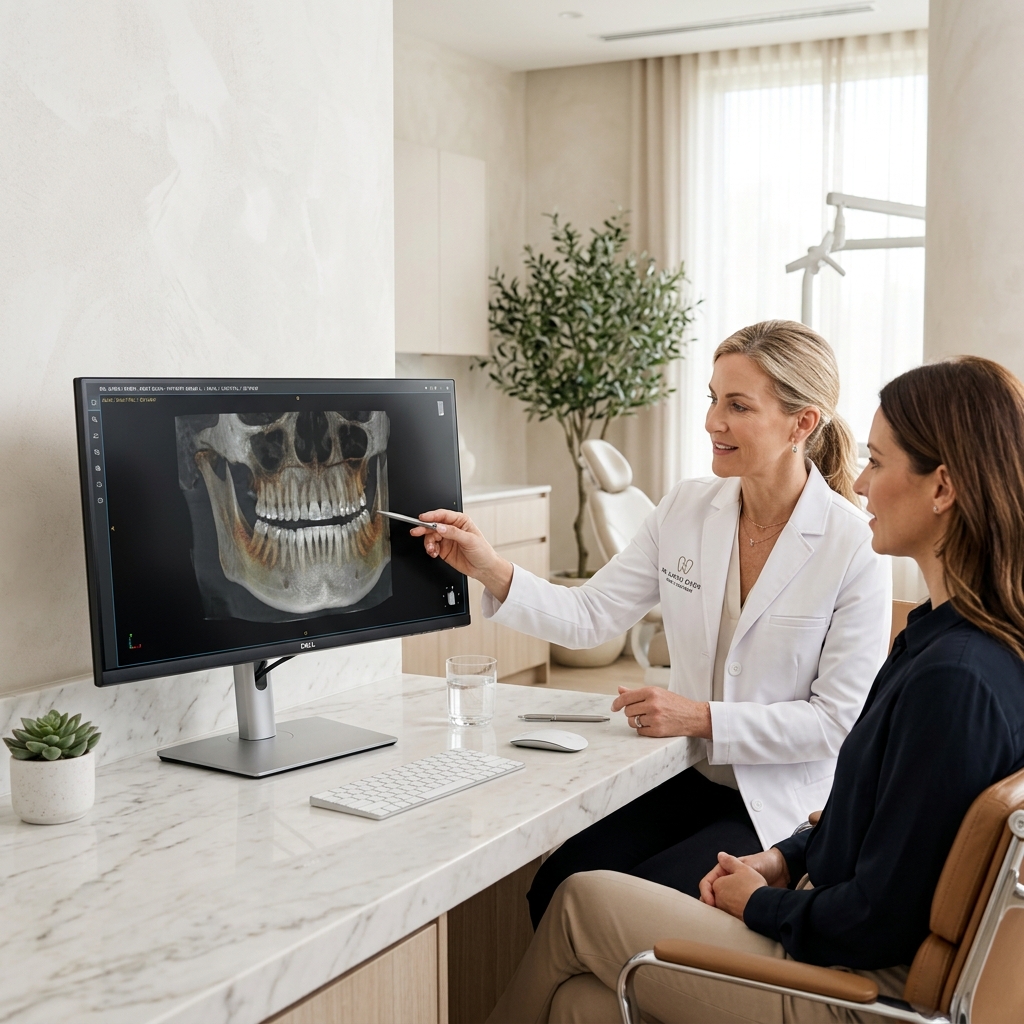
At The Honest Tooth Dentistry in Walnut, California, Dr. Mark Wang utilizes advanced 3D Cone Beam Computed Tomography (CBCT) imaging. This technology produces a detailed three-dimensional view of your jawbone anatomy, nerve pathways, and sinus cavities.
With 3D imaging, Dr. Wang assesses bone volume down to the fraction of a millimeter, plans the optimal implant position, and discusses personalized treatment options with complete transparency. Whether you require a single tooth replacement or full-arch restoration, your plan is customized to your needs.
Frequently Asked Questions About Dental Implant Candidacy
What if I was told in the past that I do not have enough bone?
Bone regeneration techniques have advanced significantly. Even if you experienced bone loss years ago, modern bone grafting and sinus elevation procedures can successfully restore necessary bone dimensions.
Can I get dental implants if I grind my teeth?
Yes. Chronic teeth grinding (bruxism) places heavy lateral forces on teeth. Dr. Wang will recommend a custom protective nightguard to safeguard your investment while you sleep.
How long does the entire dental implant process take?
From initial placement to final custom crown delivery, the process typically spans between three and six months, allowing the bone to fuse securely around the titanium post.
Take the Next Step Toward Restoring Your Smile
If you are ready to replace missing teeth with a durable, lifelike solution, confirm your candidacy through a personal examination. Contact The Honest Tooth Dentistry in Walnut, California today to schedule your comprehensive implant consultation with Dr. Mark Wang.