
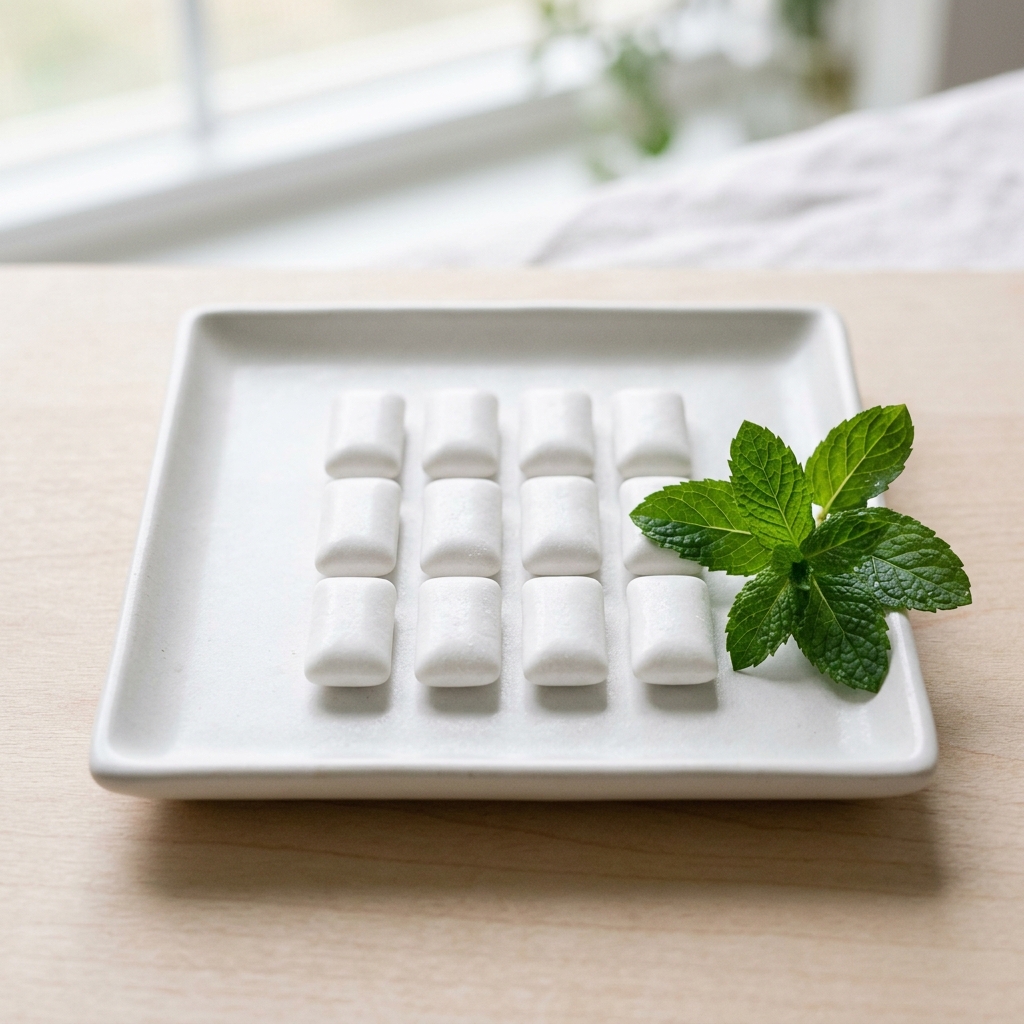
Can you chew gum if you have dental implants? Discover why you must avoid gum during healing, when it becomes safe, and the best types of gum to choose.
Chewing gum is a daily habit for millions of people who enjoy its refreshing flavor, its ability to freshen breath after meals, and its stress-relieving benefits. If you have recently received a dental implant or are planning the procedure, you might wonder how this everyday habit interacts with your new restoration.
The short answer depends entirely on which stage of treatment you are currently navigating. During the initial surgical recovery and osseointegration phase, you must strictly avoid chewing all types of gum. However, once your dental implant has fully healed and is restored with a permanent custom crown, chewing sugar-free gum is completely safe and can even support your oral health.
To protect your restorative investment and prevent unnecessary dental complications, here is a detailed, clinically backed guide on when and how you can safely chew gum with dental implants.
The Biomechanics of Chewing: Natural Teeth vs. Dental Implants
To understand why chewing gum requires caution during certain stages, it helps to understand how natural teeth and dental implants handle chewing forces:
- Natural Teeth and the Periodontal Ligament: Natural teeth are surrounded by a specialized suspension ligament called the periodontal ligament (PDL). This fibrous sling contains thousands of tiny shock-absorbing collagen fibers and sensory nerve receptors that detect bite pressure. When you chew sticky or rubbery gum, the ligament slightly flexes and dampens horizontal pulling forces.
- Dental Implants and Osseointegration: A dental implant does not have a periodontal ligament. Instead, the titanium or zirconia fixture is fused directly and rigidly to the living jawbone. While this rigid biological bond makes the implant exceptionally strong for vertical biting, it does not flex under lateral shear stress. Protecting the bone-implant interface during its formative stages is paramount.
Stage 1: The Healing Phase (Why Gum Is Strictly Prohibited)
The period immediately following your implant surgery is the most delicate phase of treatment. During this time, the titanium implant post is placed in the jawbone and must remain undisturbed while new bone cells grow and lock into its micro-textured surface.
Clinical research in implantology indicates that for bone cells (osteoblasts) to fuse securely with titanium, microscopic movement (micromotion) at the implant interface must remain below fifty to one hundred microns. Chewing gum creates repetitive, dynamic forces that can jeopardize this fragile process:
- Lateral and Shear Forces: Chewing soft foods involves simple vertical up-and-down chewing motions. Chewing sticky gum, however, requires continuous lateral (side-to-side) grinding and pulling. These lateral shear forces place excessive mechanical stress on the healing bone-to-implant junction.
- Risk of Fibrous Encapsulation: Excessive movement during early healing can cause the body to form a layer of soft fibrous scar tissue around the implant post instead of solid bone. Known as fibrous encapsulation, this results in clinical failure and requires surgical removal of the implant post.
- Entrapment Around Healing Abutments: Sticky gum can easily become trapped around the implant healing cap or surgical sutures, pulling on delicate gum incisions and introducing food debris and bacteria directly into the healing wound.
Stage 2: The Temporary Crown Phase
If you receive a provisional (temporary) crown while your permanent tooth is being custom-crafted at the dental laboratory, you must continue to avoid chewing gum.
Temporary crowns are intentionally secured using a gentle, temporary dental cement so that your dentist can remove them easily without causing trauma to the implant fixture. The sticky, elastic texture of chewing gum can easily dislodge a temporary crown, leaving the implant abutment exposed and requiring an urgent dental visit to recement the restoration.
Stage 3: The Permanent Crown Phase (Safe to Chew)
Once Dr. Wang confirms through digital imaging that your implant has fully integrated with the bone and secures your permanent crown with high-strength permanent cement or an internal retention screw, the rules change.
Your permanent porcelain or zirconia crown is engineered to withstand normal daily masticatory forces. At this stage, chewing gum poses no threat to the mechanical stability of your implant. However, choosing the right kind of gum is essential for your broader dental health.
The Best Types of Gum to Chew with Dental Implants
Not all chewing gums are created equal. When selecting a gum, follow these dentist-recommended guidelines:
- Choose Sugar-Free Gum: Traditional sugary gums coat your mouth in sucrose, which feeds harmful oral bacteria like Streptococcus mutans. These bacteria produce lactic acid that attacks the enamel of your remaining natural teeth and inflames the gum tissue surrounding your implant.
- Look for Xylitol-Sweetened Gum: Xylitol is a natural, plant-derived sugar alcohol that oral bacteria cannot metabolize. Clinical studies published by the American Dental Association show that chewing xylitol gum actively inhibits bacterial enzymes, reduces plaque accumulation, and starves cavity-causing microbes.
- Promote Natural Salivary Cleansing: Chewing sugar-free gum stimulates your salivary glands to produce fresh saliva. Saliva contains calcium, phosphate, and natural antibodies that wash away lingering food particles, neutralize dietary acids, and maintain a healthy oral microbiome.
Gums and Treats to Strictly Avoid
Even with a permanent implant, certain excessively sticky or hard confections can put unnecessary strain on both natural teeth and restorations:
- Classic Bubble Gum and High-Sugar Gums: High sugar content promotes plaque biofilm formation and gingival inflammation.
- Extremely Sticky Confections: Candies such as salt water taffy, chewy caramels, nougat, and thick fruit chews can stick tightly to restorations and create uncomfortable pulling forces.
- Hard Candies: Biting down on hard candies, jawbreakers, or ice cubes can fracture the porcelain glaze of crowns or chip natural tooth enamel.
Special Considerations for Implant-Supported Dentures
If you have an implant-supported overdenture (a snap-in full denture secured by two to four implants), you should exercise extra caution with chewing gum. While the implants themselves are strong, sticky gum can adhere to the acrylic denture base or pull on the underlying rubber O-rings and locator attachments, causing the denture to loosen or dislodge during chewing.
Frequently Asked Questions
What should I do if gum accidentally gets stuck around my implant crown?
Do not use sharp metal objects, toothpicks, or pins to scrape it off. Gently brush the area with a soft-bristle toothbrush and warm water, and use a piece of dental floss or a water flosser to remove any residual gum safely.
Can chewing gum cause jaw fatigue or TMJ discomfort?
Yes. Chewing gum continuously for hours every day can overwork your temporomandibular joint (TMJ) and masseter muscles, leading to facial fatigue, jaw clicking, and tension headaches. Moderation is key; chewing gum for ten to fifteen minutes after a meal is ideal for oral health benefits without stressing the jaw joint.
Expert Restorative Dentistry in Walnut, CA
At The Honest Tooth Dentistry in Walnut, California, Dr. Mark Wang provides clear, candid guidance to help you protect your smile for a lifetime. Schedule your implant consultation today to learn more about our patient-centered care.