
Wondering what you can eat after getting dental implants? Discover how implants restore full chewing strength, the step-by-step dietary timeline, and foods to enjoy.
If you are considering dental implants to replace missing teeth, one of your top questions is likely very simple: Will I ever be able to eat normally again? Tooth loss takes a heavy toll on everyday life, forcing many people to give up crunchy vegetables, hearty meats, crisp fruits, and chewy favorites. Even traditional dentures often leave patients struggling with loose plates, reduced bite strength, and sore spots on their gums.
The short and reassuring answer is an emphatic yes. Once your dental implants have fully healed and your permanent custom crown, bridge, or full-arch restoration is attached, you will be able to eat virtually any food you desire. In fact, dental implants are the only tooth replacement option engineered to restore nearly one hundred percent of your natural chewing efficiency.
However, reaching that stage of complete dietary freedom requires a gradual, thoughtful progression during your recovery. Understanding how your diet changes from the day of surgery to the final restoration will protect your new implant and ensure a smooth, comfortable healing process.
The Science of Chewing Power: Why Implants Feel Like Real Teeth
To understand why dental implants allow you to eat normally, it helps to look at how they interact with your jawbone compared to natural teeth and conventional dentures:
- Natural Teeth and the Periodontal Ligament: Natural teeth are suspended in the alveolar bone by the periodontal ligament, a dense network of collagen fibers that acts as a natural shock absorber and transmits chewing forces to the bone. This setup provides an average natural bite force of two hundred to two hundred and fifty pounds per square inch.
- Traditional Dentures: Traditional removable dentures rest solely on top of delicate mucosal tissues and the alveolar bone ridge without any physical mechanical anchorage. Because the gums cannot withstand intense pressure, tough, crunchy, or sticky foods cause painful friction, rocking, and displacement. Consequently, denture wearers typically recover only twenty to thirty percent of their natural bite force.
- Dental Implants: Made of medical-grade biocompatible titanium or zirconia, dental implants are surgically placed directly into the jawbone. Over three to six months, living bone cells grow tightly around the post through osseointegration, forming a permanent structural bond. This rigid biological foundation allows implants to withstand over two hundred pounds of bite force, enabling you to eat with total confidence.
Dietary Timeline: What to Eat During Each Healing Phase
To achieve lifelong stability, the bone-to-implant interface must remain undisturbed while initial cellular healing occurs. Here is the step-by-step dietary progression recommended by implant specialists:
Phase 1: The First 24 to 48 Hours (Liquid and Cool Soft Foods)
During the first two days after your implant placement procedure, your surgical site is forming a crucial protective fibrin blood clot. To avoid disturbing this clot and minimize swelling, your diet should consist exclusively of cool or room-temperature liquids and pureed foods.
- Smoothies and nutrient-dense protein shakes (always drink from an open glass, never with a straw).
- Lukewarm broths, pureed vegetable soups, bone broths, and creamy bisques.
- Greek yogurt, smooth puddings, and chilled applesauce.
- Fruit purees, fruit sorbets, and smooth ice cream (without hard nuts, seeds, or chocolate chips).
Important Rule: Never use a drinking straw during this phase. The suction pressure created inside your mouth can dislodge the blood clot, triggering renewed bleeding and painful complications.
Phase 2: Days 3 to 14 (Soft, Fork-Tender Foods)
As initial gum swelling subsides and the incision begins to close, you can transition to nutrient-rich soft foods that require minimal to no chewing. Focus on high-protein, vitamin-rich options that support cellular tissue repair and immune defense:
- Fluffy scrambled eggs, soft omelets, or egg salad.
- Creamy oatmeal, grits, or warm cream of wheat.
- Mashed potatoes, sweet potato mash, and ripe mashed avocados.
- Soft-cooked, flaky white fish such as cod, tilapia, or wild salmon.
- Soft tofu, creamy hummus, cottage cheese, and refried beans.
- Soft pasta noodles such as macaroni and cheese, well-cooked pastina, or soft risotto.
During this period, chew primarily on the opposite side of your mouth away from the surgical area to prevent direct mechanical pressure against the healing site.
Phase 3: Weeks 2 to 12 (Transitional Soft-Chew Diet)
Throughout the subsequent weeks, your jawbone is actively remodeling around the implant. While you will feel completely back to normal, the implant post is still maturing beneath the gumline. Continue avoiding extremely hard, crunchy, or sticky foods that could exert excessive lateral forces.
Great choices during this phase include tender shredded chicken, soft meatballs, steamed vegetables, soft rice bowls, baked pasta, and soft-crust sandwiches.
Phase 4: Permanent Restoration (Full Dietary Freedom)
Once Dr. Wang confirms through digital imaging that osseointegration is complete and places your permanent porcelain or zirconia crown, all dietary restrictions are lifted. You can confidently return to enjoying:
- Juicy steaks, grilled chicken, pork chops, and roasted meats.
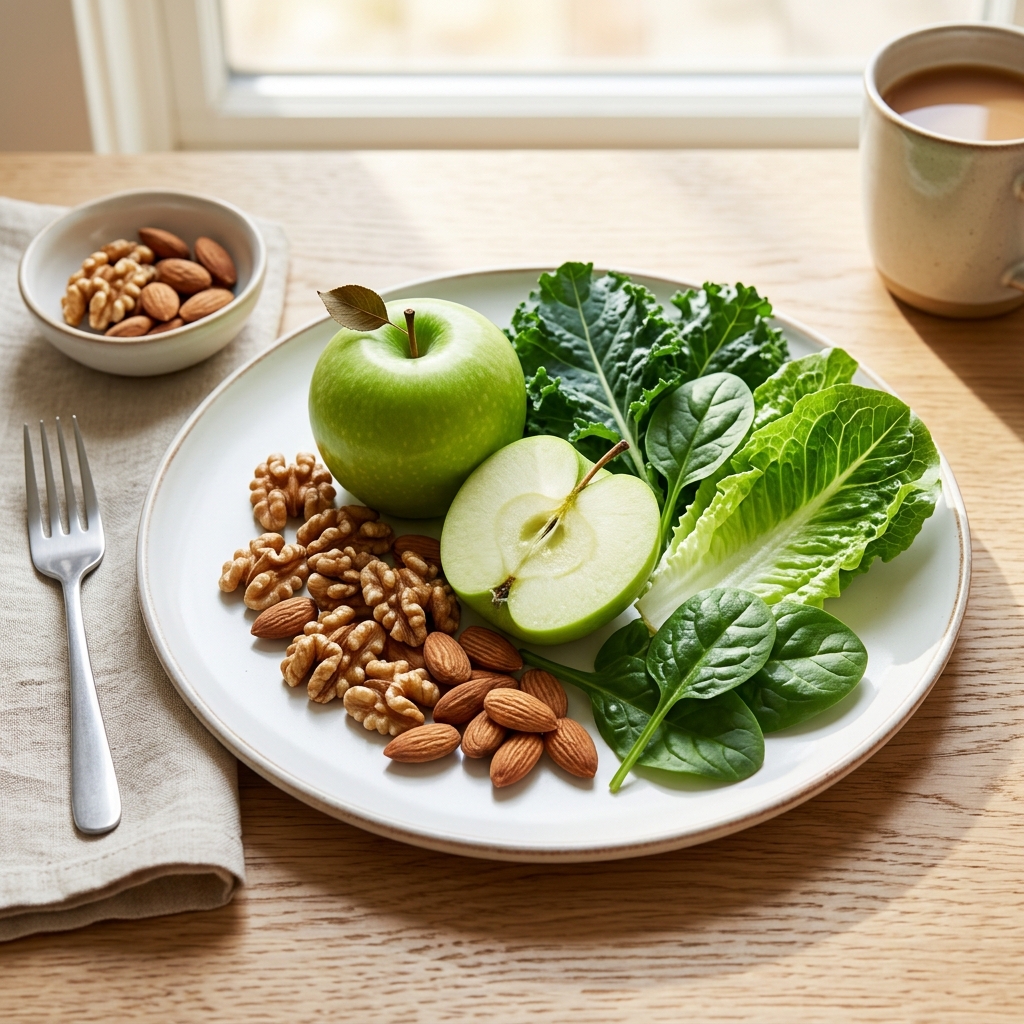
- Crisp apples, carrots, raw celery, and crunchy fresh salads.
- Crunchy nuts, seeds, roasted almonds, and trail mix.
- Corn on the cob, crusty sourdough bread, pizza crust, and chewy bagels.
The Health and Digestive Benefits of Full Chewing Freedom
The ability to chew food properly is fundamental to overall systemic health. Proper mastication breaks down food into small particles and thoroughly mixes it with salivary amylase, the enzyme responsible for initiating carbohydrate digestion. When patients cannot chew adequately, large food particles enter the stomach, leading to indigestion, acid reflux, bloating, and poor nutrient absorption. By restoring full chewing function, dental implants promote optimal gastrointestinal health and allow you to enjoy a varied, nutrient-dense diet rich in fiber, lean proteins, and raw produce.
Healthy Chewing Habits to Protect Your Investment
While your fully integrated implant is remarkably strong, practicing smart dental habits will keep both your implant and natural teeth in optimal condition for a lifetime:
- Avoid chewing on non-food objects such as pen caps, fingernails, or ice cubes.
- Never use your teeth as tools to tear open plastic packaging, crack nutshells, or open bottle caps.
- If you grind or clench your teeth during sleep, wear a custom nightguard to cushion your restoration against nighttime bite pressures.
Frequently Asked Questions About Eating with Implants
Will food get stuck under my dental implant?
Custom implant crowns are designed to match the natural contours of your teeth and gumline, minimizing food entrapment. Just like natural teeth, flossing daily or using a water flosser around the implant collar will keep the area completely clean.
Can I chew gum with a dental implant?
Once your permanent crown is placed and fully healed, chewing sugar-free gum is completely safe. However, you should avoid chewing gum during the initial healing and temporary crown phase.
Restore Your Smile and Chewing Confidence in Walnut, CA
At The Honest Tooth Dentistry in Walnut, California, Dr. Mark Wang combines precise digital planning with gentle care to help you regain complete chewing freedom. Contact our office today to schedule your dental implant consultation.